
Choose a personalized ornament by starting with a memory or relationship, not a decorating trend. Pick one story you or the recipient would enjoy revisiting, then use only the details needed to make it recognizable. A first Christmas, a beloved pet, or a move to a new home can all work—the best choice is the one that will still mean something after the occasion has passed.
Start with the story
Before comparing designs, finish this sentence: “I want this ornament to remind me of…” The answer can help you decide what belongs on it and what to leave out.
- A milestone: A baby’s first Christmas or a move into a home marks a particular chapter.
- A relationship: An ornament connected to a pet or loved one can matter because of who it represents, even without a date.
- A shared experience: A family tradition or memorable holiday may mean more than a general seasonal message.
If the ornament is a gift, think about the recipient’s story rather than just your own. Someone might treasure a reminder of their first home, while another person may prefer a less sentimental design. If you’re unsure whether a memory is welcome—especially one involving a loss—ask gently before making it the centerpiece of a gift.
Decide which details deserve a place
Names, dates, messages, and images can make an ornament personal, but more information does not necessarily make it more meaningful. These are ideas to consider, not options guaranteed on every listing.
Names: make the connection clear
A name can help identify the story, particularly when the ornament celebrates a baby or pet. Consider the form the recipient actually uses: a first name, nickname, or another familiar version. If multiple names matter, check what the listing allows before deciding how to represent everyone.
For a gift, confirm spelling and punctuation with someone who knows. Don’t guess at a baby’s spelling or assume family members share a last name.
Years: choose a date with a reason
A year is useful when the date itself is part of the story, such as a first Christmas or a move. But check which year you mean. A baby’s birth year and first Christmas year are often the same, but not always. For a home, the year of purchase, move-in, and first holiday there may differ. Pick the one the recipient would associate with the memory.
If the current year adds nothing to the story, leaving it off may make the ornament feel less tied to one season—provided the listing gives you that choice.
Messages and images: favor recognition over detail
A short phrase can explain a memory, but a long message may compete with the design. If a listing offers text, consider whether a few words are enough. “Our first home,” for example, tells a story without revealing an address.
If a listing accepts an image, choose one that is recognizable and meaningful rather than merely recent. For a pet, a clear picture that captures a familiar expression may be more evocative than a formal pose. Check the listing’s image instructions and consider how the subject might appear if the image is cropped. Don’t assume a preview or proof will be available.
Match the idea to the memory
These examples are starting points for different kinds of keepsakes. Review each listing to see what personalization it actually supports.
A baby’s first Christmas
A first-Christmas ornament works when the milestone itself is the memory you want to preserve. It can recall an early family chapter even as the child grows. A baby’s first Christmas ornament is one idea to consider.
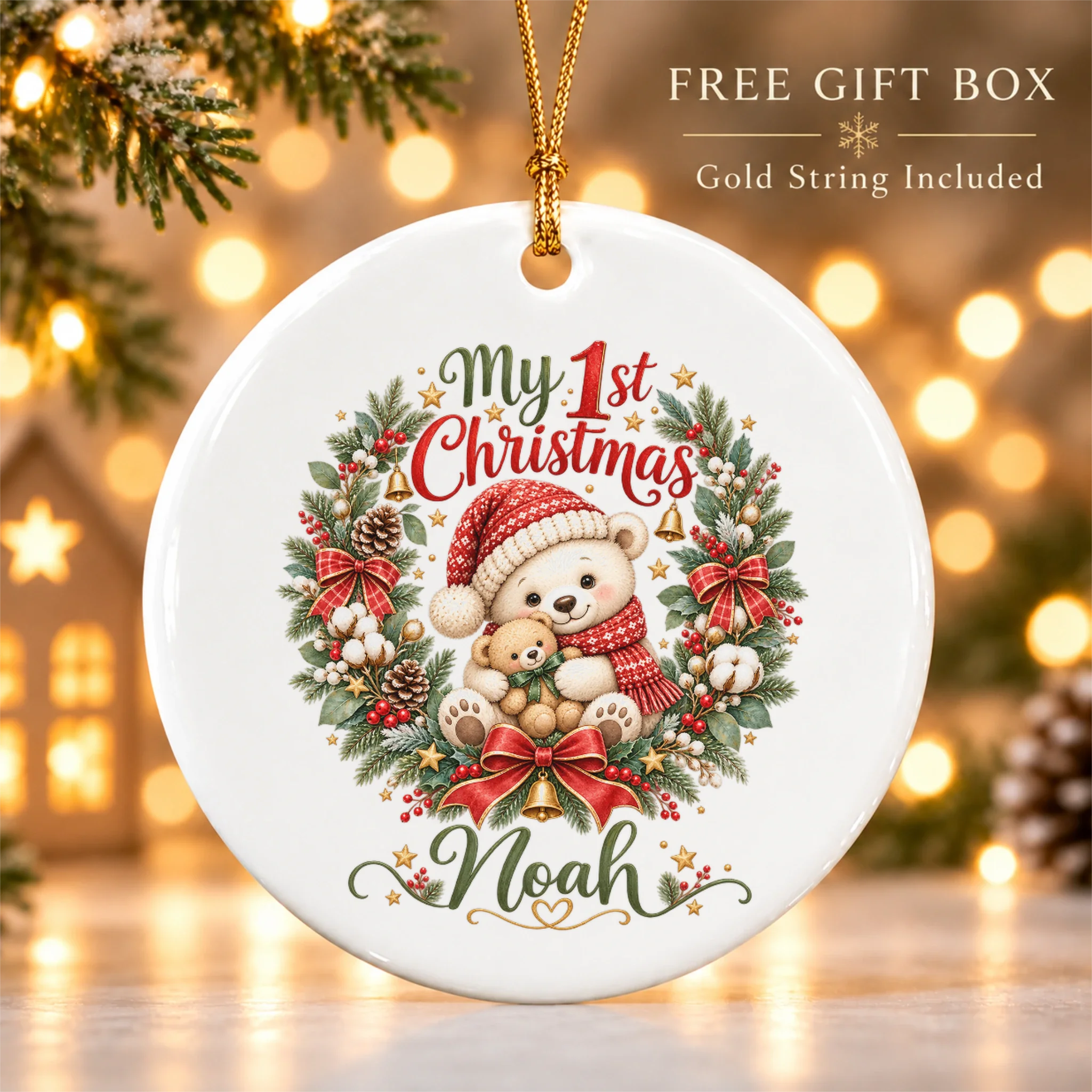
Before ordering, decide whose keepsake it is: a parent’s, a grandparent’s, or one the child might eventually take to their own home. That can help you choose the tone and verify the details with the right person.
A beloved pet
A pet ornament can celebrate an everyday relationship rather than a one-time event. Consider a personalized pet ornament if the recipient would enjoy seeing that connection represented on the tree.
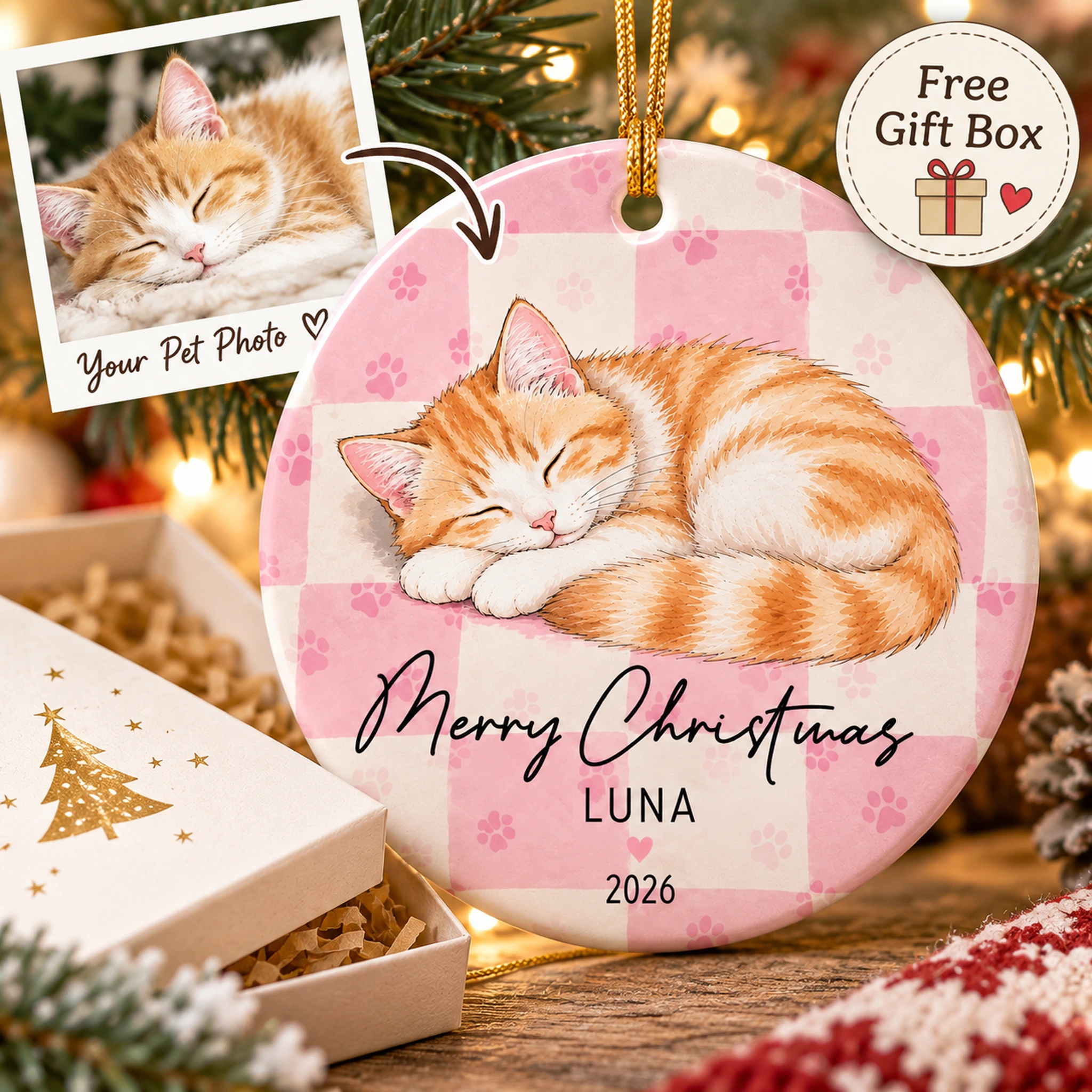
Think about the recipient’s feelings as well as the image. A playful reminder may suit one household; a quieter approach may feel more appropriate when the pet has died. If you’re uncertain, a gentle question is better than assuming a memorial gift will be comforting.
A new home
A home-themed ornament can mark a move, a first holiday in a place, or a home that brought people together. A personalized new-home ornament is an option for that kind of story.
Consider whether the recipient would enjoy identifying the home specifically or would prefer a more private reference to the occasion. If a listing permits text, a phrase about the move may carry the memory without putting an address on display.
Think about display, privacy, and changing tastes
An ornament doesn’t need to match every future decorating choice, but it helps to picture where it will be used. Does the recipient enjoy a tree full of different memories, or a more coordinated look? If you don’t know, choose a clear connection to their life rather than a joke or trend they may soon outgrow.
Also consider who might see it. A tree in a window, shared space, or holiday photo can make personal details more visible than expected. A first name or general phrase may feel comfortable where a full address or detailed message would not. If you’re buying for someone else, let their privacy preferences guide the choice.
A keepsake can remain meaningful even when life changes. A former home may still represent a happy chapter, and a pet ornament can celebrate companionship. Choose a story the recipient is likely to value remembering, not one that depends on circumstances staying exactly the same.
Check the listing before you order
Once you’ve chosen the memory, use this checklist:
- Confirm the available personalization. Look for the fields and choices offered on that specific listing. Don’t infer them from the product name.
- Write the details separately first. Check names, punctuation, and the intended year against a reliable source or with the recipient’s family.
- Review any image instructions. If an image is accepted, check that the picture you plan to use fits the listing’s requirements and shows the subject clearly.
- Check the choice against the recipient. Consider whether the message, level of sentiment, and any visible personal information feel right for them.
- Read your entries one last time. Compare what you entered with what you intended, especially when several dates or spellings are possible.
The final test is simple: if you packed the ornament away after this holiday and found it again next year, would it still bring a particular person, place, or moment to mind? If so, you’ve chosen a story worth keeping.