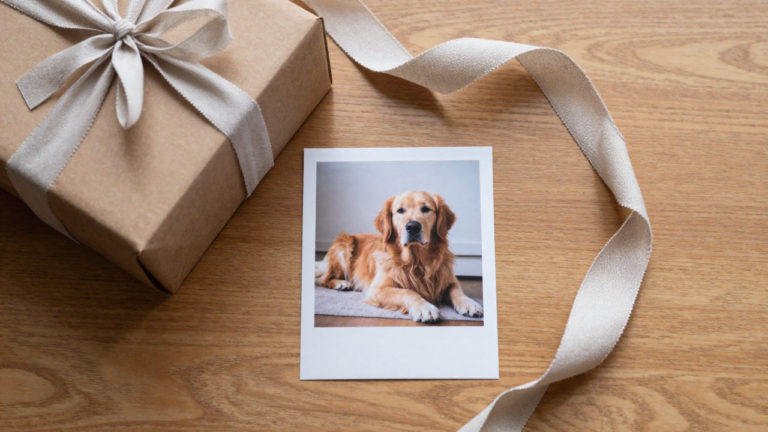
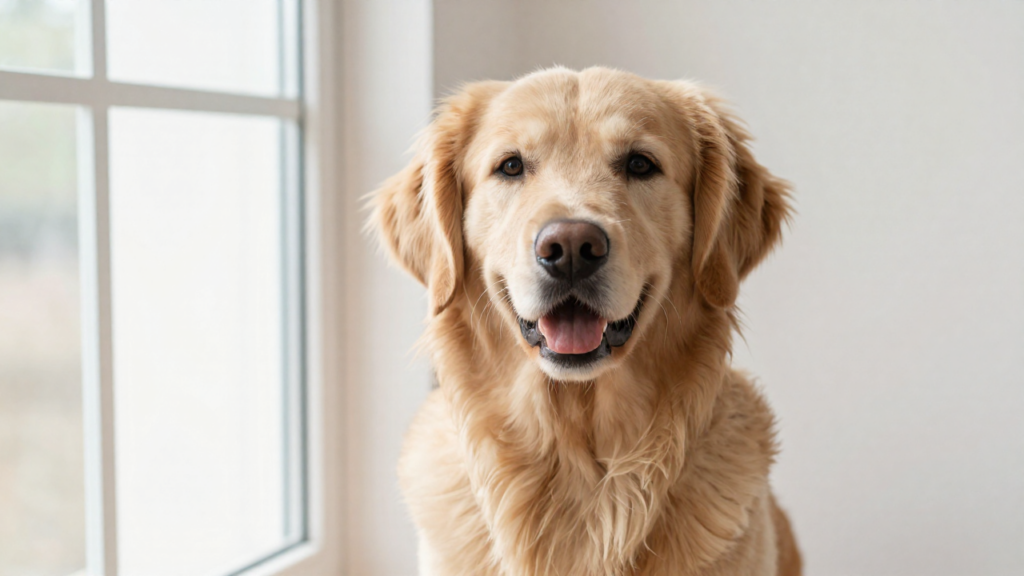
Choose a sharp, well-lit photo that shows the pet’s face and distinctive features, with some space around the head for cropping. The best choice is usually one where you can recognize the pet immediately—even when you view the picture small. A technically perfect photo isn’t essential if another clear image captures an expression the recipient loves.
Compare your favorite photos
Put two or three candidates side by side and check these details:
- Focus: Look closely at the eyes and face. If they look soft or smeared when you zoom in, try another image.
- Lighting: Can you see the face and markings without deep shadows or bright glare? Even light usually makes details easier to distinguish.
- Angle: A photo taken near the pet’s eye level often gives a clear view of the face. A strong overhead angle can make the head shape harder to judge.
- Visible features: Check for the ears, muzzle, markings and any other traits that make the pet recognizable.
- Obstructions: A toy, hand or another animal covering part of the face may make a favorite picture less useful.
- Space around the pet: A little room around the head gives you more flexibility if the image needs to be cropped.
If two photos are equally clear, choose the one that feels most like the pet. A familiar head tilt or an alert expression can make a gift more personal than a perfectly posed image.
When should you choose a candid?
A candid can be a great choice when its expression tells a story. A dog’s excited look before a walk, for example, may mean more to the recipient than a formal pose. Choose it if the face and defining features are still easy to see.
If the candid is blurry or a toy covers most of the muzzle, a clearer portrait is usually the safer choice. You can always share the candid separately in a card or note.
Match the photo to the gift
Consider how the image may be viewed. For a small decorative gift, a close view of the pet’s face is generally easier to recognize than a wide scene in which the pet appears tiny. A wider image may be more meaningful when the surroundings are part of the memory, but check that the pet remains visible when the photo is viewed at a reduced size.
If you’re considering a personalized pet photo ornament, for example, compare a close portrait with a favorite scene. View each one small and ask which pet you recognize more readily. This listing is marked as personalized. Check its available options and photo instructions rather than assuming which details can be customized or how the image will be cropped.
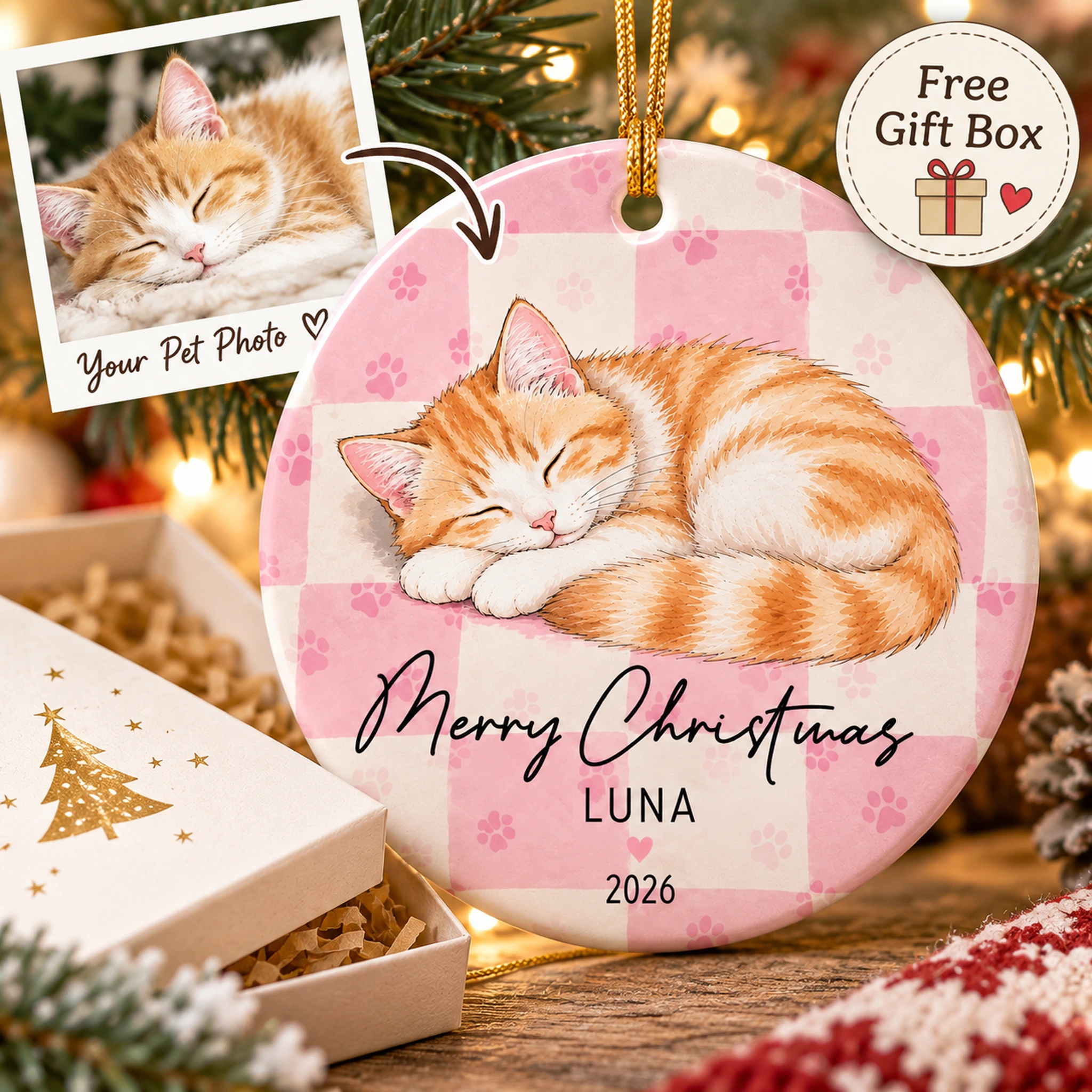
A pet portrait can be especially thoughtful when the recipient has a strong connection to the animal, including as a remembrance. For a memorial gift, consider whether the recipient would prefer a playful image or a quieter portrait. When you’re unsure, a familiar, gentle expression is a reasonable starting point.
Try a crop before deciding
A quick crop test helps you compare candidates. It doesn’t predict the finished design.
- Make a copy of the photo so you keep the original unchanged.
- Crop the copy closer to the pet’s head and face. Leave a little space around the ears and other defining features.
- View the result small, then zoom in. Is the pet recognizable at a glance, and are the eyes and markings reasonably clear?
- Compare it with another candidate. If the tighter crop cuts off important features or makes blur obvious, the other photo may work better.
Don’t assume the gift uses the shape or crop you tested. If the listing gives composition guidance, follow it when making your final choice. Otherwise, keeping some space around the pet is a useful precaution.
Make the most of an older or imperfect photo
Sometimes the most meaningful picture is the only one you have. Start by looking for the original file on an old phone, camera, computer or shared album. If a friend or family member took the photo, ask whether they still have the original.
A screenshot or heavily edited copy can make fine details harder to see, so compare it with the original when possible. Avoid adding strong filters or sharpening a blurry image until it looks unnatural. Editing can change details without recovering what the camera missed.
If no better file exists, choose the clearest meaningful image available and review it both small and close up. You may decide that the memory matters more than a minor flaw. If you’re uncertain whether a particular image is suitable, check the listing’s instructions or ask before ordering rather than assuming the image can be corrected.
Take a new photo without stressing your pet
If you have the chance to take another picture, keep the session short and relaxed:
- Find a comfortable spot with even natural light. Avoid placing the pet directly in front of a bright window, which can leave the face in shadow.
- Get close to the pet’s eye level without crowding them. Give them room to move away.
- Leave space around the head rather than filling the entire frame. You can compare tighter crops later.
- Take several photos as the pet naturally looks around. A familiar toy or a helper may encourage attention, but don’t force a pose.
- Check the eyes and face for focus before you finish. If your pet is restless, take a break and try again later.
A simple background can make it easier to judge the pet’s outline, but expression and clarity matter more than creating a perfect scene.
Check the details before ordering
Once you’ve chosen a photo, review the listing’s instructions and available personalization fields. Confirm the spelling of the pet’s name and check the year if you enter one. Make sure you’ve selected the intended file, especially if you saved several similar crops.
Don’t assume a preview, proof or option for multiple pets is available. If one of those details matters and the listing doesn’t make it clear, ask before placing the order. The aim is simple: pick an image the recipient will recognize and a gift that suits the memory you want to share.